Navigating the Bethlehem Property Market: A Local's Guide to Historic Charm and Modern Living
When I first moved to Bethlehem, Pennsylvania, I was immediately struck by how the city manages to hold its history and its future in the same hand. Walking down Main Street, you can still see the cobblestones and the old Moravian architecture, but you also see new coffee shops, tech startups, and families pushing strollers. That balance is what makes the bethlehem property market so distinctive. It is not a place where you choose between character and convenience. You get both, but you have to know how to navigate the trade-offs.
After spending years helping people find homes here, I have learned that this market rewards patience and local knowledge. It is not a market that follows national trends blindly. It has its own rhythm, shaped by Lehigh University, by the arts scene, by the old industrial bones of the city that have been slowly repurposed into lofts and galleries. And that rhythm matters when you are trying to decide where to buy or rent.
Understanding the Layers of the Market
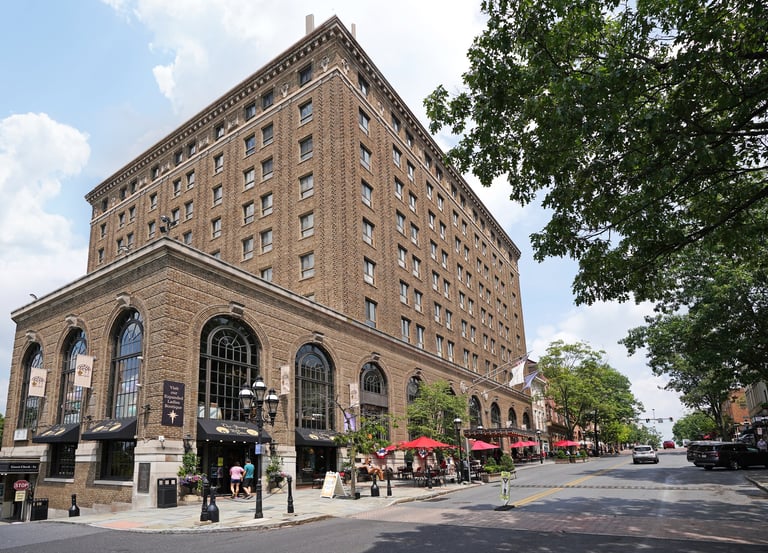
The bethlehem property market is not a monolith. You have the historic district, where homes from the 1700s and 1800s sit on narrow streets. These properties come with charm, but also with maintenance challenges. Old windows, outdated plumbing, and the occasional ghost story. Then you have the South Side, closer to the university, where the housing stock is a mix of older row homes and newer student-focused apartments. Further out, in neighborhoods like West Bethlehem or the township areas, you find mid-century ranches and newer subdivisions with bigger yards.
Each of these areas has a different price point and a different buyer profile. The historic district attracts people who want to be part of something old and beautiful. The South Side draws young professionals and academics who want walkability and energy. The outer neighborhoods appeal to families who need space and good schools. As a buyer, you need to decide what kind of trade-off you are willing to make.
What Drives Prices Right Now
Over the past few years, the bethlehem property market has seen steady appreciation, but not the kind of wild spikes you might see in Philadelphia or New York. Part of that is because Bethlehem has a relatively stable employment base. Lehigh University, St. Luke's Hospital, and a handful of manufacturing and distribution centers provide a steady stream of buyers. But the city also benefits from its location. It is close enough to the Lehigh Valley's logistics hubs and within commuting distance to both Philadelphia and New York. That makes it attractive to remote workers who want more space and lower taxes.
However, supply has been tight. Inventory in the historic district, in particular, is often low because people who buy there tend to stay for a long time. They fall in love with the stained glass and the wide-plank floors and they do not want to leave. That creates a situation where you might have to wait months for the right property to come up, and when it does, you need to move fast. I have seen buyers lose out on homes because they hesitated for a weekend.
The Rental Side of the Equation
Renting in Bethlehem is a different animal. The presence of the university means there is always demand for rental units, but the quality varies widely. Some of the old homes have been converted into apartments with varying degrees of skill. You can find a gorgeous loft in a former factory with soaring ceilings and original brick, but you might also find a cramped basement unit with questionable wiring. It pays to tour the property in person and ask about heating costs. Some of these old buildings are not well insulated, and winter bills can be a shock.
For landlords, the bethlehem property market offers decent returns, especially if you are willing to do the work of managing older properties. The key is to buy in the right location and to know your tenant base. Students are a reliable market, but they turn over quickly and they can be hard on a property. Young professionals and empty-nesters are more stable, but they expect higher finishes and better maintenance.
Practical Advice for Buyers
If you are looking to buy in Bethlehem, here are a few things I have learned the hard way:
- Get a home inspection that includes a sewer scope. Many older homes have clay or cast-iron pipes that can fail without warning, and replacing them is expensive.
- Check the zoning and historic district rules before you buy. If you want to add a deck or change the facade, you might need approval from the historic review board.
- Consider the flood zones. Parts of the city, especially near the Lehigh River, have flooded in the past. It is worth paying for a flood risk assessment even if the seller says it is not required.
- Work with a local lender who understands the market. Some of the older homes do not qualify for conventional financing because of their condition, and a local lender can help you navigate alternative loan programs.
What the Future Holds
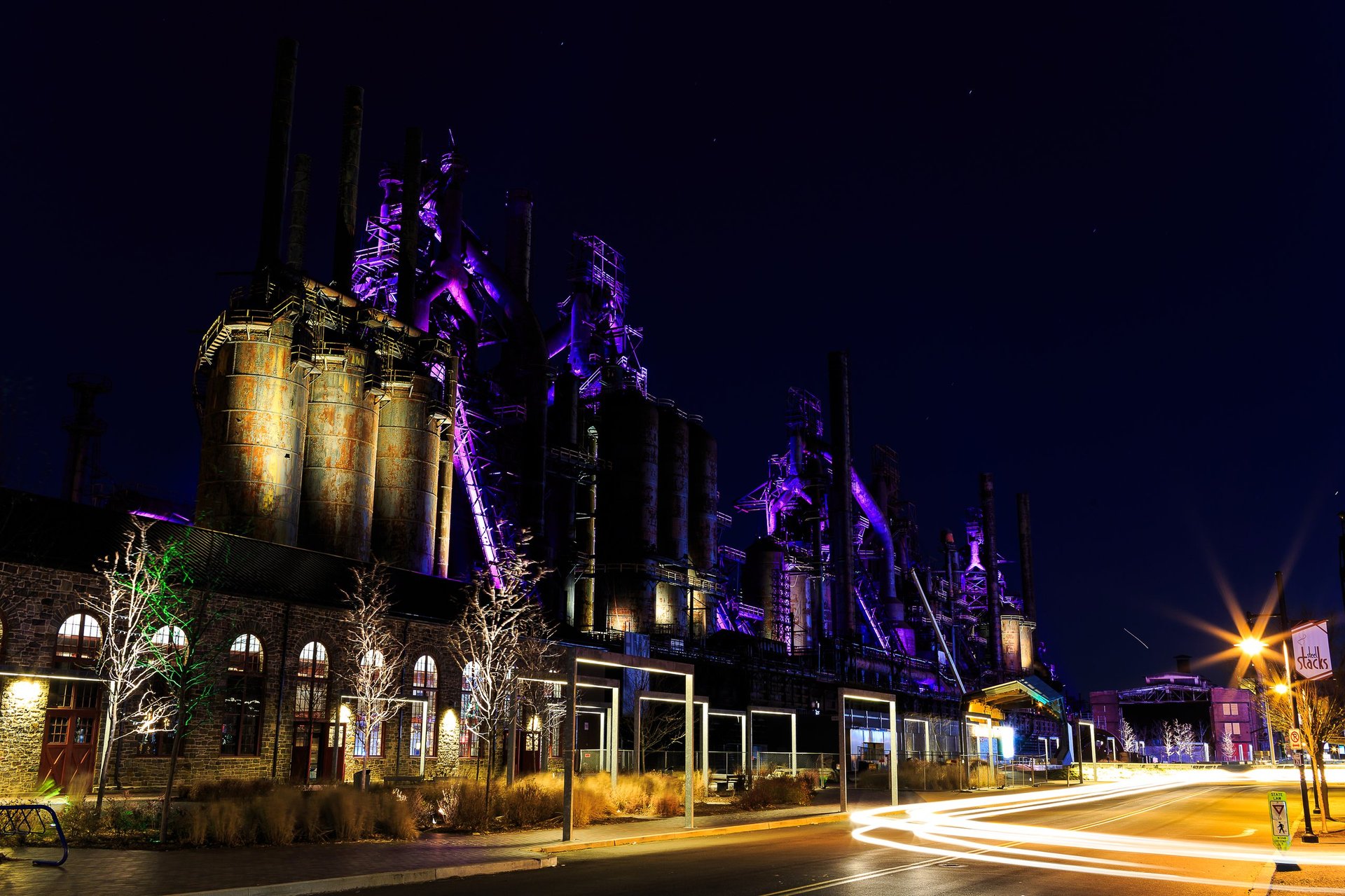
Looking ahead, I think the Bethlehem property market will continue to grow, but at a measured pace. The city has done a good job of attracting new businesses and cultural events without losing its identity. The new development along the South Side, near the SteelStacks campus, has added housing and retail without overwhelming the historic core. That balance is fragile, but so far it has been maintained.
One trend I am watching is the increasing interest from out-of-state buyers, particularly from New York and New Jersey. They are drawn by the lower cost of living and the quality of life. That has pushed prices up in some neighborhoods, but it has also brought new energy and investment. The danger is that if too many buyers come at once, the market could tip toward being unaffordable for local workers. That is a tension that every growing city faces, and Bethlehem is no exception.
Final Thoughts from the Ground
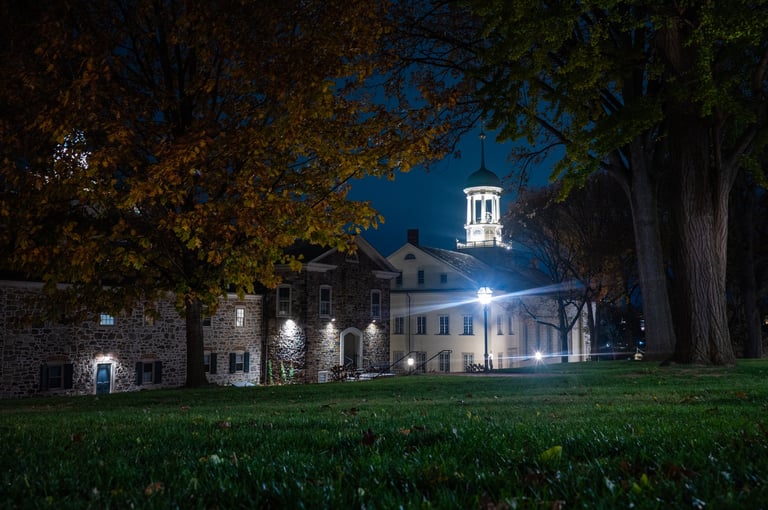
Living in Bethlehem has taught me that real estate is not just about square footage or school ratings. It is about the feel of a place. I have spent Sunday afternoons walking through the historic district, watching the light hit the old stone walls, and I have seen how that feeling translates into value. The Bethlehem property market is not the easiest to navigate, but for the right buyer, it offers something rare: a home that has a story, a neighborhood that has a soul, and a city that is still writing its next chapter.
Whether you are buying your first home, upgrading to a larger space, or investing in rental property, take the time to understand the rhythms of this market. Talk to people who live here. Walk the streets at different times of day. And be ready to move when you find the right place. Because in a market like this, the best properties do not sit around for long.